Kanav Mor
I'm a third-year Ph.D. student in Information Systems at Heinz College, Carnegie Mellon University, advised by Rahul Telang and Avinash Collis. I study the economics of generative AI.
When AI learns from human work, who bears the cost?
When AI helps people create, who gains?
On the first question, I show how news publishers' blocking of AI crawlers spilled over onto web archives, research tools and accessibility services. On the second, I run a randomized field experiment with Hooktheory on AI-assisted songwriting, and I study whether AI-content labels cost YouTube creators their audience. I build the data myself, from archived web files to platform records and experiments, and analyze it with causal inference.
Before the Ph.D., I spent two years as a software engineer at Microsoft, working on Bing Shopping. I hold an M.Sc. in Economics and a B.E. in Computer Science from BITS Pilani, where I graduated first in my economics cohort.
I am in the inaugural cohort of the Block Center Fellowship on AI and Society, and I lead an NSF ACCESS allocation for GPU computing.
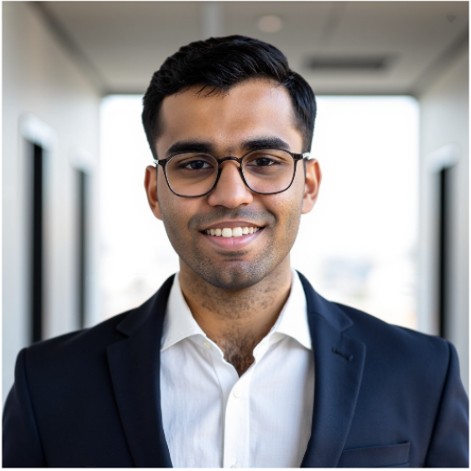
“Economics of AI, news, and creative work.”
kanav@cmu.edu
+1 (412) 287-8595
News
- Oct 2026NEWAwarded an NSF ACCESS allocation as PI.
- Sep 2026Selected for the inaugural cohort of the Block Center Fellowship on AI and Society.
- Summer 2026Launched a randomized field experiment on AI-assisted songwriting with Hooktheory.
Research
Working paper
Abstract
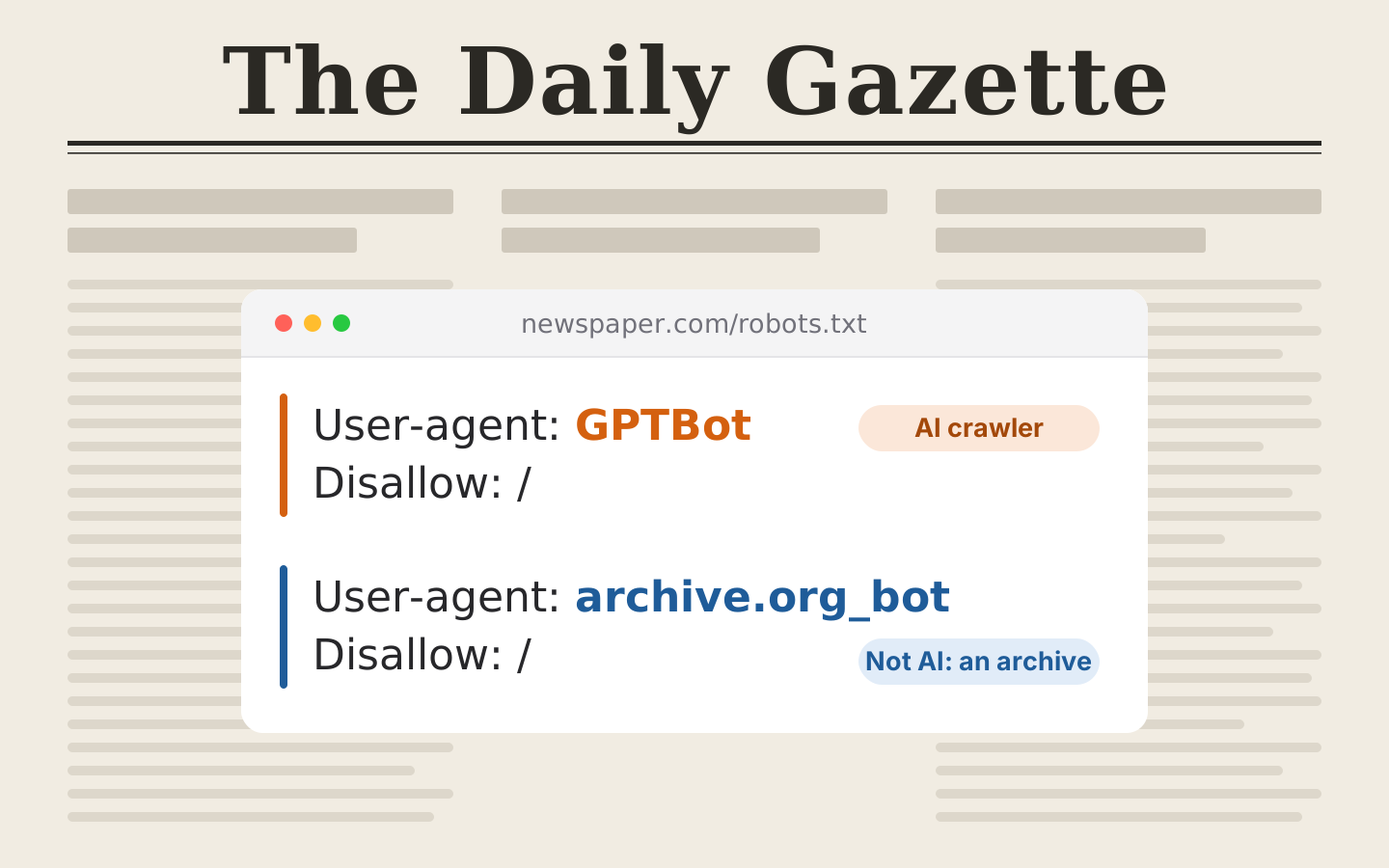
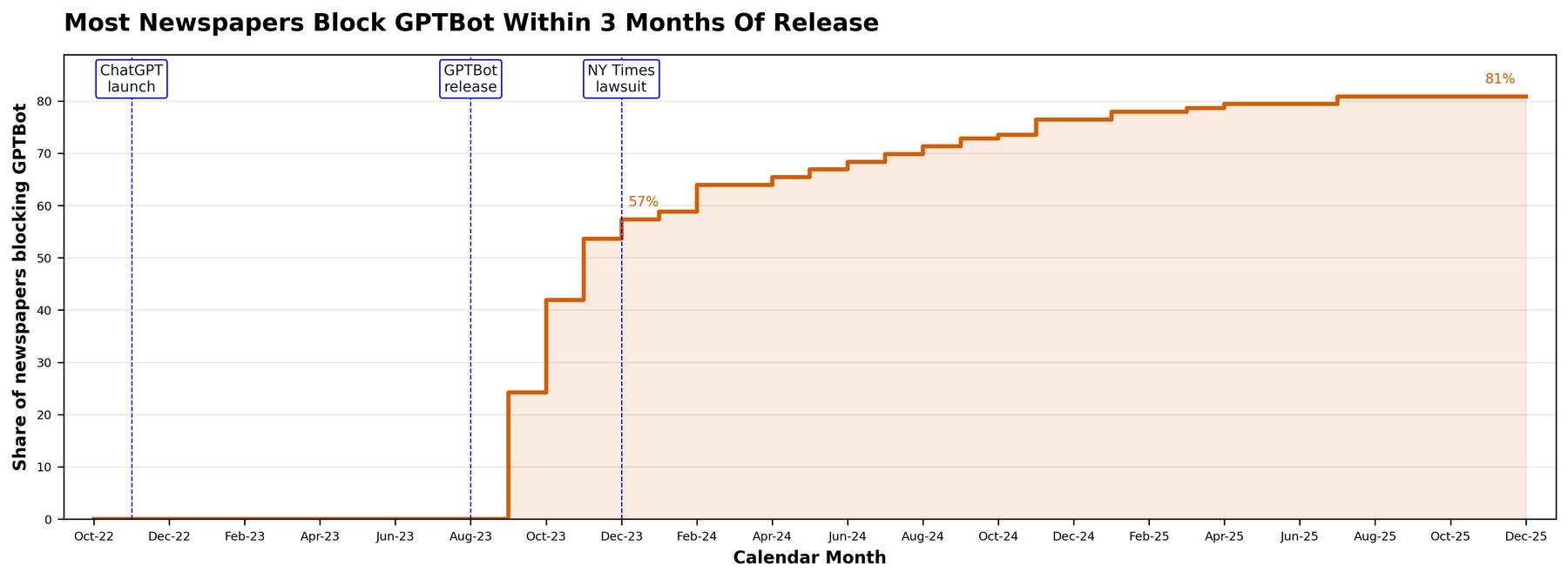
The emergence of generative AI has intensified long-standing tensions between content producers and platforms over the value of online content. We examine how news organizations responded to this shift by analyzing historical robots.txt snapshots from the Internet Archive's Wayback Machine, constructing a monthly panel of news publishers across the United States, Europe, and the Rest of the World from May 2022 through December 2025. Using interrupted time series and Callaway-Sant'Anna staggered difference-in-differences designs, we study publisher responses to the release of GPTBot in August 2023. We document three main findings. First, blocking accelerated after GPTBot's release across all three regions, with U.S. and European publishers increasing blocking at similar rates and more strongly than publishers in the Rest of the World. Second, paywalled outlets block more quickly and more strongly than free outlets. Third, blocking extended beyond AI-related crawlers: GPTBot blocking was followed by increased blocking of non-AI bots, with the strongest evidence of this spillover in the U.S. and Europe. These findings suggest that the rise of generative AI has contributed to a broader tightening of automated web access among news publishers, with implications extending beyond AI training to the governance of crawling on the web.When OpenAI released GPTBot in 2023, publishers could finally block AI training without disappearing from search, and most did within months. Using 44 months of archived robots.txt files, we show that paywalled outlets moved first, and that the blocking spilled over onto crawlers with no AI function: web archives, research tools and accessibility services.
Field experiment with Hooktheory · in progress
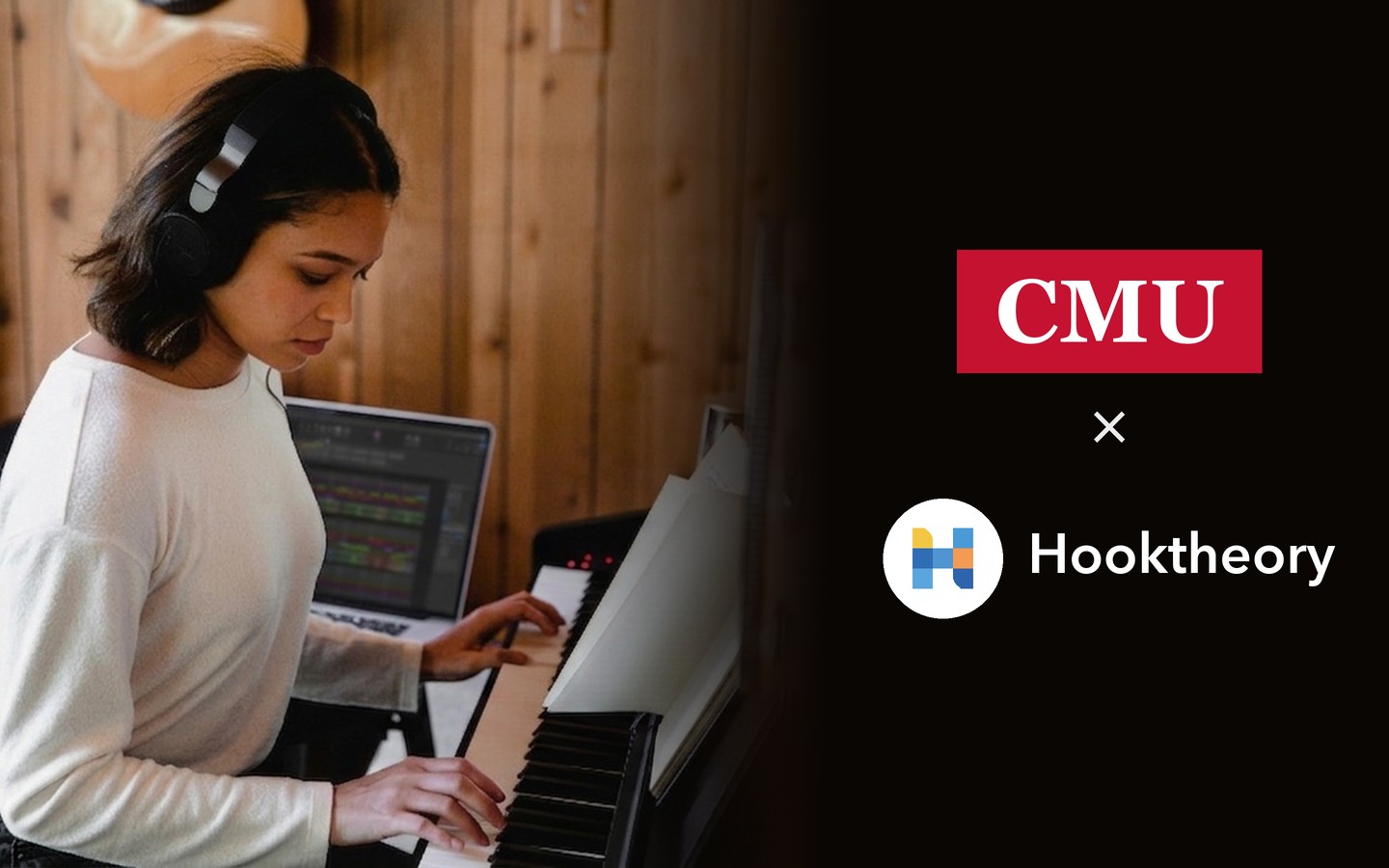
Songwriters on Hooktheory get an AI assistant that suggests chords and melodies as they write. We measure whether it raises output and quality, whether beginners or experts gain more, and whether composers learn from its suggestions or come to depend on them.
Work in progress
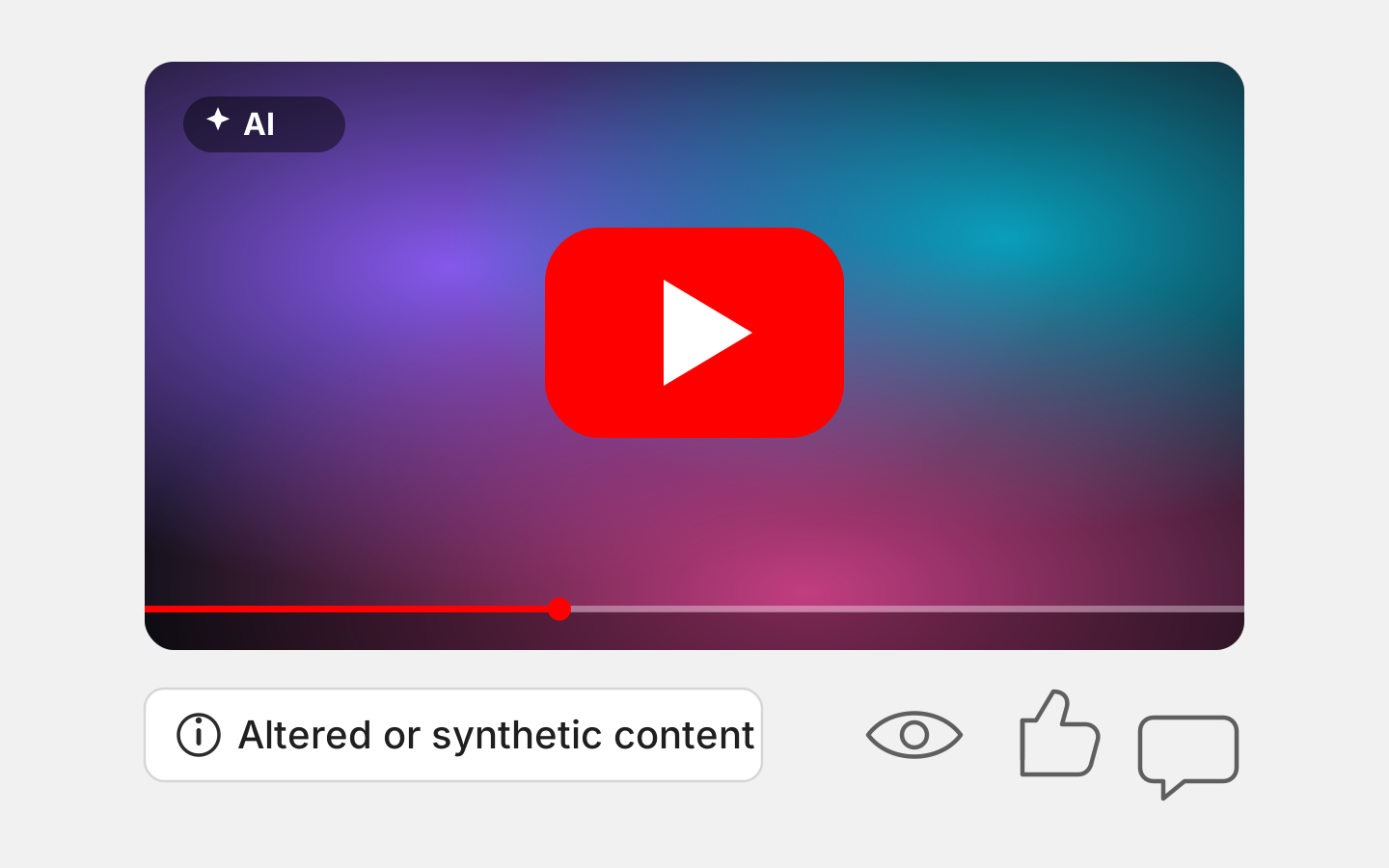
YouTube marks realistic AI-made videos as “altered or synthetic content.” We track the label on a large panel of videos as it appears, and ask whether disclosure costs creators their audience.
Professional experience

Microsoft
Software Engineer2022 – 2024
Microsoft
Software Engineering InternSpring 2022

Nutanix
Software Engineering InternFall 2021

TIFR
Research InternSummer 2020
HBCSE, TIFR
Research InternSummer 2019
Honors and awards
- 2026Awarded an NSF ACCESS allocation as PI
- 2026Block Center Fellowship on AI and Society, Carnegie Mellon University
- 2017 – 2022Dean's 100% Merit Scholarship, BITS Pilani
- 2022Graduated first in class, M.Sc. Economics, BITS Pilani
- 2021DAAD WISE Scholarship, German Academic Exchange Service
- 2021Mitacs Globalink Research Scholarship, Mitacs, Canada
- 2020Viterbi-India Scholarship, Indo-US Science and Technology Forum
Education
Carnegie Mellon University
PhD, Information Systems2024 – present
Carnegie Mellon University
MPhil, Public PolicyCGPA 4/42024 – 2026
BITS Pilani
MS, EconomicsCGPA 9.9/102017 – 2022
BITS Pilani
BE, Computer ScienceCGPA 9.9/102017 – 2022
Service
- ReviewerConference on Information Systems and Technology (CIST)